Trust Health Consultancies

How Clinic Design Accelerates Health

Healthcare Insights

Healthcare Facility Fines and Closures in the UAE: Causes and Consequences

Clinic design is not just about selecting colors or modern furniture. In regulated healthcare environments like the UAE, design is a fundamental regulatory requirement and a strategic driver of patient outcomes, operational efficiency, and licensing success. Well-designed clinics comply with health authority standards, reduce approval delays, minimize risks, and enhance overall patient satisfaction.

Design as a Core Regulatory Requirement

Healthcare regulatory authorities in the UAE — such as the Dubai Health Authority (DHA), the Department of Health – Abu Dhabi (DoH), and the Ministry of Health & Prevention (MOHAP) — do not treat clinic design as optional. Regulatory design standards are published, detailed, and mandatory for licensing.

These standards include:

  • Functional planning and space allocation requirements

  • Infection prevention and control principles

  • Patient flow and circulation criteria

  • Safety and emergency access provisions

  • Accessibility and privacy requirements

In Dubai, the Health Facility Guidelines provide explicit criteria for architectural layout, clinical adjacencies, safety zones, and infection control measures. Facilities are required to submit design drawings and planning narratives as part of licensing documentation — if they fail to meet these standards, the application may be delayed, rejected, or returned for revision before even reaching the final approval stage.

The impact is not theoretical: regulators use design checklists as part of their official review process.

Poor design = delayed approval = higher operational risk.

“Compliance is not a formality, it is the foundation of safe care and sustainable healthcare operations.”

Design Reduces Approval Time by Demonstrating Compliance

Health authority reviewers look for specific design features tied to compliance:

 Patient Flow and Separation

Well‑designed clinics separate:

  • Public circulation (waiting, reception)

  • Clinical areas (examination, treatment)

  • Staff and support zones

Clear separation reduces infection risks and supports prioritization of urgent care pathways.

Safety and Emergency Access

Design must allow:

  • Fire evacuation access

  • Ambulance and emergency access points

  • Safe rooms for isolation

Failure in any of these areas leads to immediate regulatory queries or refusal to proceed to final inspection.

 Infection Prevention and Control

Design influences:

  • Airflow control and ventilation

  • Placement of hand hygiene stations

  • Dedicated clean and dirty zones

These are not general “best practices”  they are explicit regulatory requirements that health authorities check against documented standards during review.

Valuable Partnerships and Productive Dialogues

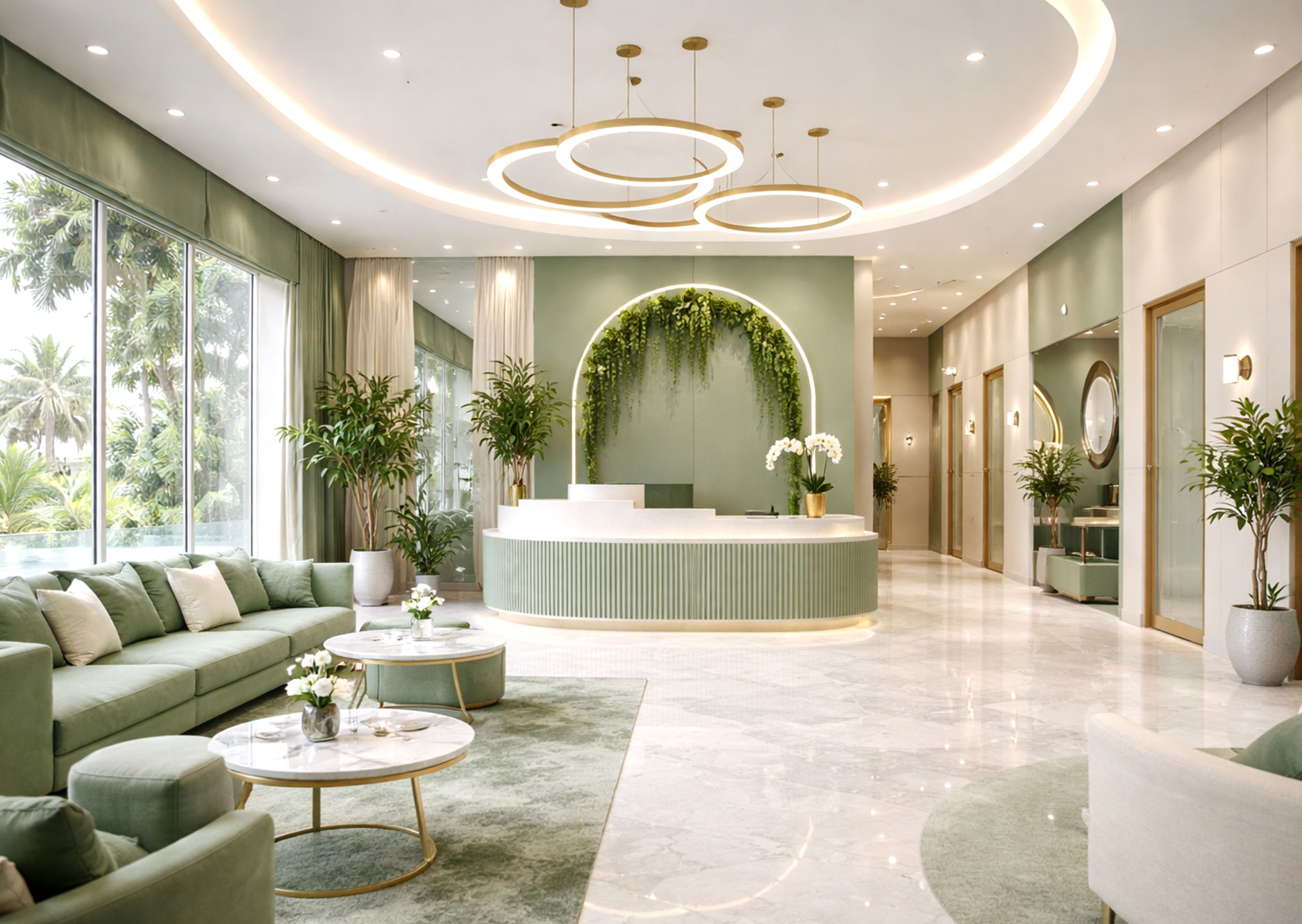
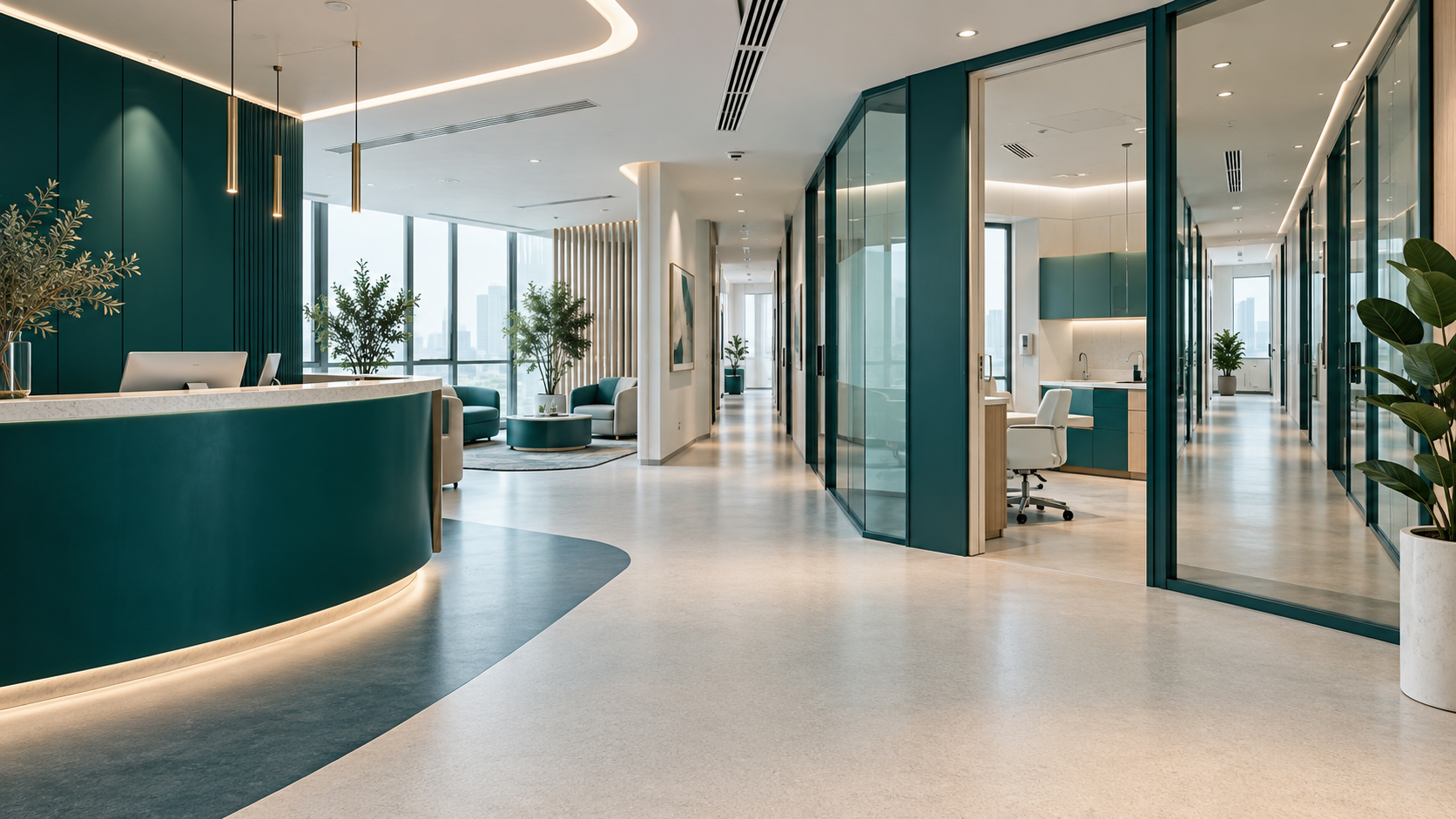
Calming colors, natural light, touches of nature, and comfortable waiting areas all enhance patient experience and support the healing process. At Trust Health Consultancies, we combine aesthetic design with high medical standards to create a fully integrated therapeutic environment. Every detail, no matter how small, is aimed at patient comfort and safety.

Design Significantly Impacts Patient Experience

Patient experience is not a luxury  it is an evidence‑based outcome with measurable effects on clinical compliance, satisfaction scores, and clinical outcomes.

Research shows:

  • First impressions of care quality are formed within seconds of entering a space

  • Lighting, acoustics, wayfinding, and seating arrangements directly influence patient satisfaction

  • Clear, intuitive layouts reduce anxiety and perceived waiting times

A well‑designed clinic reduces emotional stress  which correlates with better patient compliance and reported satisfaction.

Leave a Reply

Your email address will not be published. Required fields are marked *

Related Posts